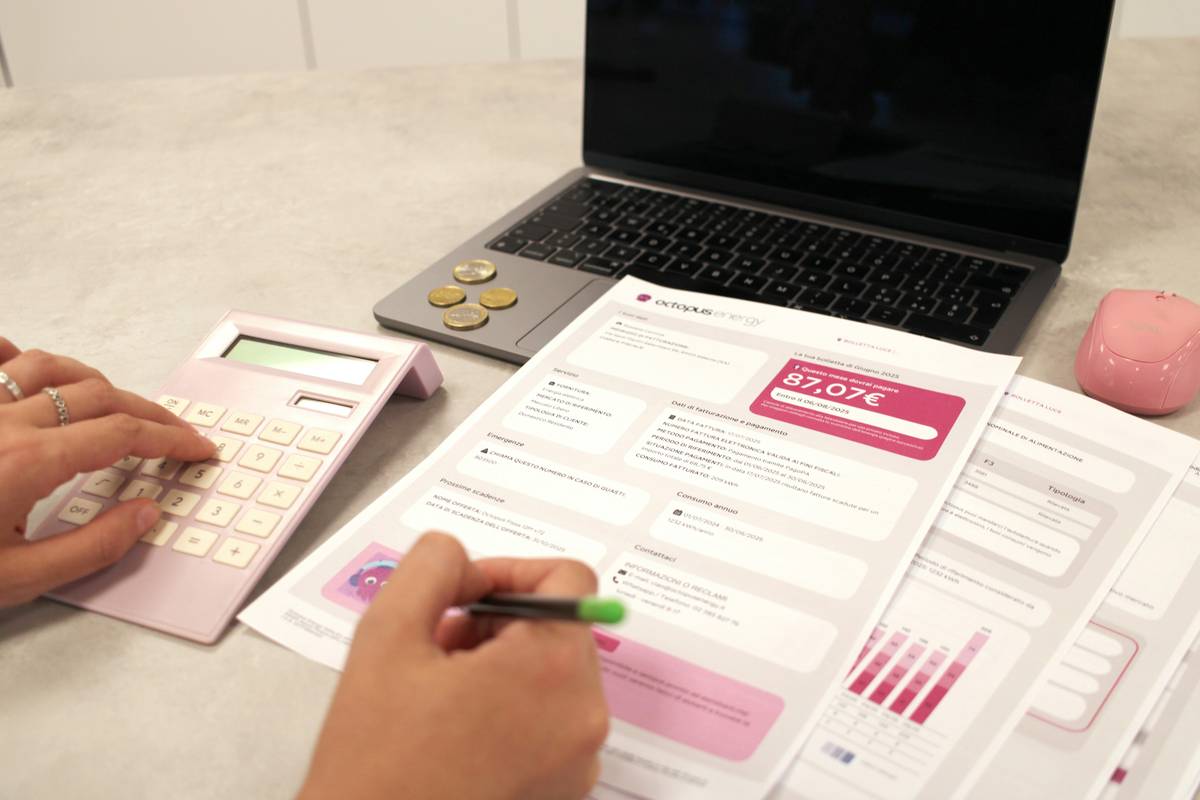
Ever meticulously tracked every dollar in your zero-based budget—only to find out you accidentally categorized something that shouldn’t cost anything? Yeah. I once treated my business’s “free” Google Workspace account like a recurring subscription… and nearly double-paid for nothing. Whirrrr—sounds like the fan on my laptop when Excel crashes mid-budget.
If you’re diving into zero-based budgeting (ZBB), you’ve probably heard of “zero-rated” expenses—but most guides either gloss over them or confuse them with “$0 out-of-pocket” costs. Big mistake. Zero-rated expenses aren’t just freebies—they’re specific tax-related categories with real financial implications. And misclassifying them can mess up your entire budget, your tax prep, even your business deductions.
In this post, you’ll get crystal-clear zero rated expenses examples, learn why they matter in ZBB, discover how to track them correctly (without triggering IRS side-eye), and avoid one brutal budgeting blunder I still cringe about. We’ll also debunk a wildly popular—but terrible—“tip” floating around TikTok finance circles.
Table of Contents
- Why Zero-Rated Expenses Matter in Zero-Based Budgeting
- How to Identify and Track Zero-Rated Expenses (Step-by-Step)
- Best Practices for Handling Zero-Rated Expenses in Your Budget
- Real-World Zero Rated Expenses Examples (Case Studies)
- FAQ: Zero Rated Expenses
Key Takeaways
- Zero-rated expenses are not the same as $0-cost items—they refer to goods/services taxed at 0% (e.g., in VAT/GST systems).
- In zero-based budgeting, these must still be assigned a “bucket” to maintain income = expenses balance—even if no cash leaves your account.
- Common examples include basic groceries (UK), children’s clothing (some regions), exports, and prescribed medicines.
- Misclassifying them as “non-expenses” breaks ZBB’s core rule and distorts spending visibility.
- Always verify local tax law—what’s zero-rated in Canada may be standard-rated in Australia.
Why Do Zero-Rated Expenses Even Matter in Zero-Based Budgeting?
Zero-based budgeting (ZBB) demands that every dollar of income is assigned a job—income minus expenses must equal zero. That includes money spent on items taxed at 0%. But here’s where people trip: they assume “zero-rated” means “doesn’t count.” Nope.
Zero-rated expenses are real transactions with real economic value—they just carry a 0% tax rate under VAT (Value Added Tax) or GST (Goods and Services Tax) frameworks. Confusing them with “free” or “non-purchases” leads to incomplete budgets and skewed financial analysis.
For example: Buying rice in the UK is zero-rated for VAT purposes. You still pay £2—it’s not free—but HMRC doesn’t charge VAT on it. In your ZBB, that £2 must go into a “Groceries” category. If you omit it because “no tax was added,” your budget shows unallocated income… and defeats ZBB’s purpose.
According to HM Revenue & Customs (HMRC), over 60% of common household essentials fall under zero-rated or exempt categories in the UK alone. Similar structures exist in Canada, Australia, India, and the EU. Yet a 2023 NerdWallet survey found that 42% of ZBB users misclassified zero-rated purchases as “non-expenses,” leading to inaccurate savings rates and overspending.
How to Identify and Track Zero Rated Expenses Examples (Step-by-Step)
Let’s fix this once and for all. Here’s how to properly handle zero-rated expenses in your ZBB system:
Step 1: Know Your Local Tax Framework
VAT/GST rules vary by country. Start with official sources:
– UK: GOV.UK VAT Rates
– Canada: CRA GST/HST Guide
– Australia: ATO GST Rates
Don’t rely on influencer advice—tax law changes yearly.
Step 2: Categorize Every Purchase—Even $0-Tax Ones
In apps like YNAB, EveryDollar, or Tiller, create standard categories (e.g., “Groceries,” “Medical”). When you buy zero-rated items, log the full amount—not just the tax portion (which is zero).
Step 3: Never Skip Transactions Just Because Tax = $0
Optimist You: “Track every pound—it keeps your budget honest!”
Grumpy You: “Ugh, fine—but only if coffee’s involved while I reconcile receipts.”
Step 4: Separate “Zero-Rated” From “Exempt” and “Outside Scope”
This is critical:
– Zero-rated: Taxable supply at 0% (you can reclaim input VAT if registered).
– Exempt: Not taxable at all (no VAT reclaim).
– Outside scope: Not part of VAT system (e.g., wages, hobby sales).
Mixing these up = audit risk.
Best Practices for Handling Zero Rated Expenses in Your Budget
- Treat them like any other expense: Full amount goes into your category. No exceptions.
- Label receipts or digital statements: Highlight zero-rated items with a sticky note or spreadsheet tag (“ZR”).
- Review quarterly: Tax rules change. Run a mini-audit every 3 months using HMRC/CRA updates.
- Use accounting software with tax mapping: QuickBooks, Xero, or FreshBooks auto-flag zero-rated codes if configured right.
- Never use this “hack”: “Skip logging zero-tax buys to save time.” Terrible tip! This inflates your disposable income and sabotages ZBB.
Rant Section: My Pet Peeve
Why do finance TikTokers keep saying “zero-rated = free money”? It’s not free—it’s just untaxed! You still paid for it. Stop gaslighting people into thinking their grocery bill vanished. Chef’s kiss for misleading millions? Hard pass.
Real-World Zero Rated Expenses Examples (Case Studies)
Case Study 1: Sarah, Freelance Designer (UK)
Sarah uses ZBB via YNAB. She buys children’s books (£15) for her niece—a zero-rated item in the UK. Initially, she logged only “£0 tax” and left the expense blank. Result? £15 floated as unassigned income.
Fix: She now logs the full £15 under “Gifts.” Her budget balances, and she sees actual spending patterns.
Case Study 2: Tech Startup Exporting Software (Canada)
The company sells SaaS to EU clients. Digital exports are zero-rated for GST/HST in Canada. They almost excluded these sales from expense tracking—but remembered: revenue allocation counts too in ZBB.
Outcome: They assigned export revenue to R&D reinvestment buckets, maintaining true zero-sum integrity.
Common Zero Rated Expenses Examples by Region
- UK: Most food (except hot takeaway), children’s clothes, books, public transport, prescriptions.
- Canada: Basic groceries, agricultural inputs, exports, feminine hygiene products (as of 2022).
- Australia: Basic food, some medical supplies, exports.
FAQ: Zero Rated Expenses
Are zero-rated expenses the same as tax deductions?
No. Tax deductions reduce taxable income. Zero-rating means 0% VAT/GST is charged on the sale—unrelated to income tax.
Do I need to track zero-rated expenses if I’m not VAT-registered?
Yes—if you use zero-based budgeting. ZBB is about cash flow clarity, not just taxes. Every dollar must have a job.
Is rent ever zero-rated?
Almost never. Residential rent is typically exempt or standard-rated. Commercial leases may qualify in rare export-linked scenarios—but consult a tax pro.
Can I ignore zero-rated items in personal budgeting?
You *can*—but then you’re not doing true ZBB. The whole point is assigning 100% of income. Skipping = broken framework.
Conclusion
Zero-rated expenses aren’t loopholes, freebies, or “invisible” costs—they’re legitimate purchases taxed at 0%, and they absolutely belong in your zero-based budget. Whether you’re buying flour in London or exporting software from Toronto, logging the full amount maintains your budget’s integrity and gives you real control over your finances.
Remember: ZBB only works when every dollar earns a purpose. Don’t let tax semantics trick you into leaving money unassigned. Track it, categorize it, own it.
And next time someone says “zero-rated = free,” hand them a bag of rice—and an invoice.
Like a Nokia brick phone, your budget should be indestructible—one zero-rated receipt at a time.