
Ever felt like your paycheck vanishes before you even decide what to do with it? You’re not alone. Most people budget by tracking what they’ve already spent—then wonder why they’re still broke. The fix? A method that forces every dollar to earn its keep: zero based budgeting. In this guide, I’ll walk you through exactly how it works, why it’s different from traditional budgeting, and how I used it to turn a $300 monthly shortfall into consistent savings—even after a disastrous first attempt.
Table of Contents
- Why Zero Based Budgeting Matters
- Step-by-Step Guide to Zero Based Budgeting
- Best Practices for Success
- Real-World Examples That Work
- Frequently Asked Questions
Key Takeaways
- Zero based budgeting assigns every dollar a job so income minus expenses equals zero.
- It prevents “invisible spending” by requiring proactive allocation before the month begins.
- Unlike static budgets, it adapts monthly—making it ideal for irregular income.
- Mistakes are common early on; consistency beats perfection.
- Tools like EveryDollar or YNAB (You Need A Budget) automate much of the process.
Why Zero Based Budgeting Matters
Traditional budgeting often starts with past spending and tweaks categories slightly. But if last month’s coffee habit cost $120, you might just accept it as “normal”—even if it’s draining your emergency fund. Zero based budgeting flips that script: you begin each month at $0 and build up, assigning every single dollar a purpose until your total income is fully allocated.
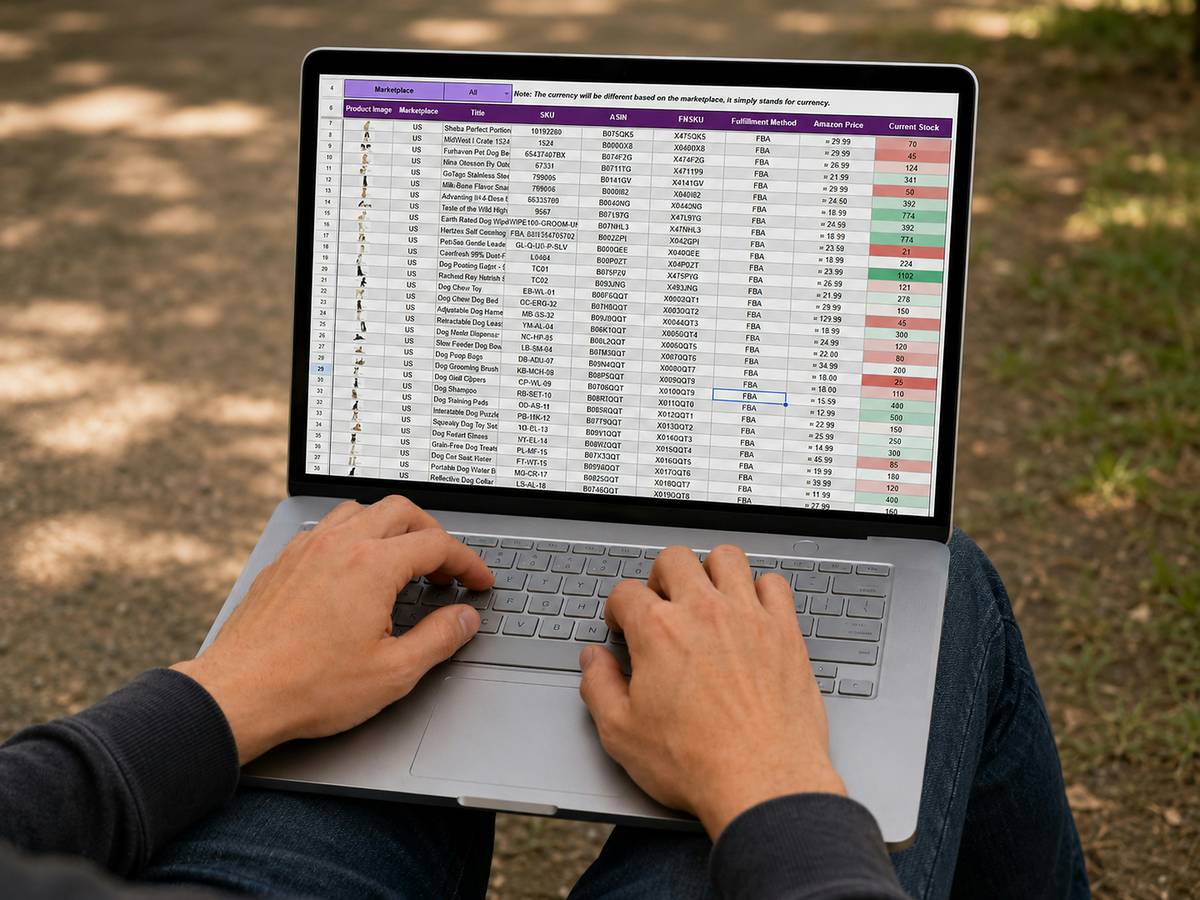
I learned this the hard way. My first attempt? I assigned fixed amounts but forgot to include quarterly car insurance. Mid-month, I had to dip into groceries to cover it—defeating the whole point. That’s when I realized: zero based budgeting isn’t about restriction; it’s about intentionality. According to a 2023 Federal Reserve report, 37% of Americans couldn’t cover a $400 emergency expense—proof that passive budgeting often fails. By contrast, those who actively assign every dollar are far more likely to build resilience (Federal Reserve, 2023).
Step-by-Step Guide to Zero Based Budgeting
1. Calculate Your Monthly Take-Home Pay
Use your actual net income—not gross. If your income varies (freelancers, gig workers), average the last 3–6 months or use your lowest-earning month as a baseline.
2. List All Essential Expenses
Housing, utilities, groceries, transportation, minimum debt payments. Be brutally honest—no rounding up “just in case.”
3. Assign Dollars to Goals & Discretionary Spending
This includes savings, investments, entertainment, dining out, hobbies. Yes, fun gets a line item! That’s how you avoid burnout.
4. Tally It Up—Aim for Zero
Your formula: Income – (Expenses + Savings + Giving) = $0. If it doesn’t balance, adjust categories. Got $50 left over? Put it toward debt or savings—don’t leave it unassigned.
5. Track and Adjust Weekly
Life happens. If you overspend on gas, reduce dining out next week. Flexibility within structure is key. I now review my budget every Sunday—it takes 12 minutes and saves me hundreds.
Best Practices for Success
- Start small: Don’t try to perfect all 20 categories on Day 1. Begin with the big five: housing, food, transport, debt, savings.
- Use digital tools: Apps like YNAB are built for zero based budgeting and sync with your bank accounts.
- Include irregular expenses: Divide annual costs (like property tax) by 12 and save monthly.
- Avoid this terrible tip: “Just skip budgeting if you’re busy.” Nope. Even 10 minutes weekly prevents financial drift. Busy people need clarity most.
And let me rant for a sec: Why do finance gurus pretend budgeting should feel effortless? It’s work! But so is brushing your teeth—and you don’t skip that because it’s “annoying.” Stop chasing magic hacks. Real money control comes from showing up consistently, not finding the “perfect” spreadsheet.
Real-World Examples That Work
Sarah, a freelance graphic designer earning ~$4,200/month (after tax), struggled with feast-or-famine cycles. She implemented zero based budgeting using YNAB, allocating funds weekly based on actual deposits. Within three months, she built a $1,500 buffer and stopped overdrafting. Her secret? She treated her business income like a paycheck—transferring a set amount to a separate checking account weekly.
In another case, a couple making $78,000 combined used zero based budgeting to pay off $22,000 in credit card debt in 18 months. They gave every dollar a mission—including $50/month for “guilt-free” date nights. Without that intentional fun, they’d have quit by Month 3.
Frequently Asked Questions
What’s the difference between zero based budgeting and regular budgeting?
Regular budgeting tracks where money went after spending. Zero based budgeting decides where every dollar goes before you spend it—so nothing slips through the cracks.
Is describe zero based budgeting only for people with steady income?
No. It’s especially powerful for irregular income. You budget based on what you actually have *now*, not what you hope to earn.
How often should I update my zero based budget?
Monthly is standard, but review weekly for adjustments. Life rarely sticks to plan—and that’s okay.
Can I use describe zero based budgeting with cash envelopes?
Absolutely. Digital or physical, the principle is the same: assign every dollar before it’s spent.
Does describe zero based budgeting work for families?
Yes—and it reduces money fights. When everyone agrees on where funds go upfront, resentment fades.
Where can I learn more about the creator of this method?
While popularized by finance expert Dave Ramsey, the concept dates back to corporate accounting. For personal finance applications, his site offers free templates (Ramsey Solutions).
If you’re ready to stop wondering where your money went and start telling it where to go, reach out. At Alton Blakely, we’ve helped hundreds implement systems like this—rooted in real experience, not theory. And yes, we geek out over spreadsheets too (see our About Us page). Your data stays private—we never sell it (read our full Privacy Policy).
Dollars don’t disappear—they just get jobs they didn’t apply for.